Tag Archives: video

Transferring Old VHS Movies

Sharing my VHS movies in the digital age

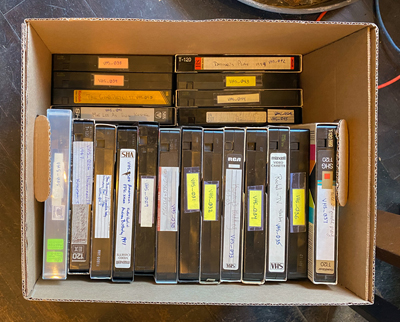
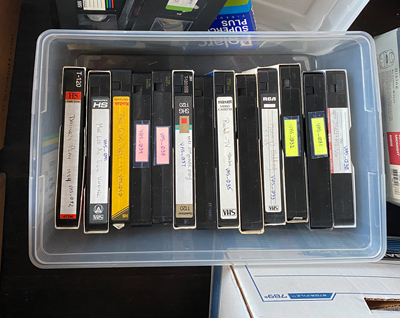
I’ve had a couple of boxes full of VHS cassettes sitting in the basement for years. When I finally started looking through them, I saw that some of them dated back to the 1980’s – they’re more than 30 years old.

I shouldn’t have been surprised since we bought our first VHS camera when some of our kids were just babies. We have cassettes of babies, of birthdays, of holidays, of vacations, of weddings, of …. I think you can name other events as well.

My goal was to convert them so that the family would be able to easily view them on their computer or digital device. Initially this looked like an enormous task, but soon after I got started this turned into an enjoyable project.

Follow along as I go through the steps.


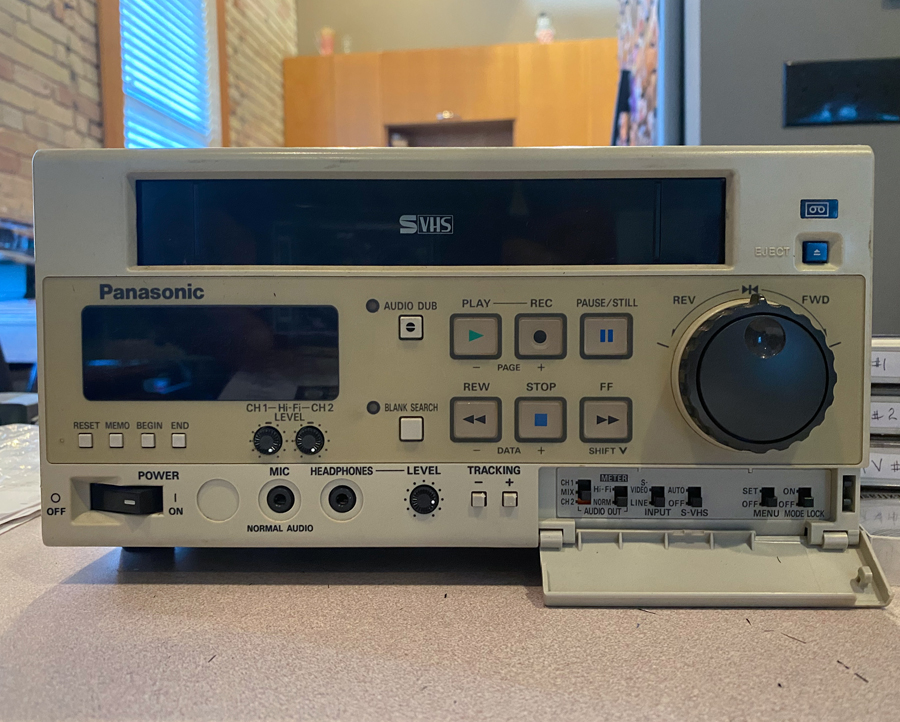
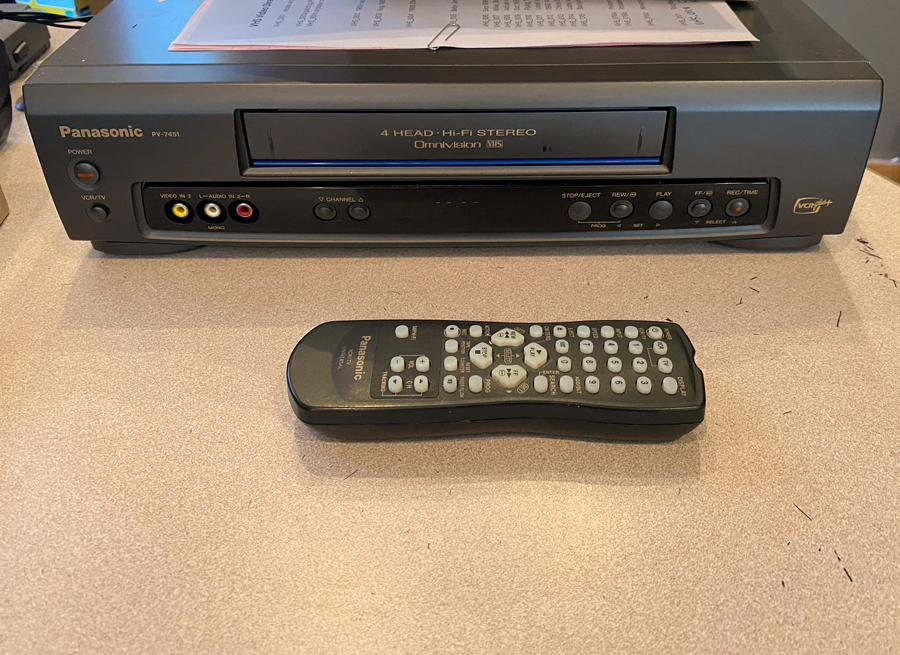
One of the items on my “to-do list” is to convert these old movies to a form that the family could easily watch and enjoy the events that we recorded years ago. But first I had to locate a VHS player. We hadn’t owned one for years.

I found one for sales in our area for a reasonable cost.


Next I needed a device to convert the video frames to a digital form that is copied to the computer.


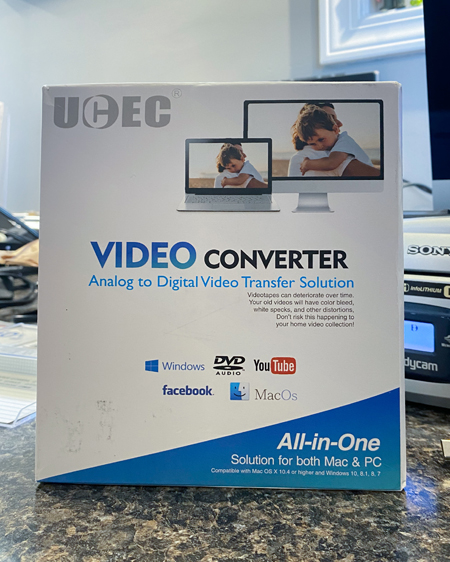
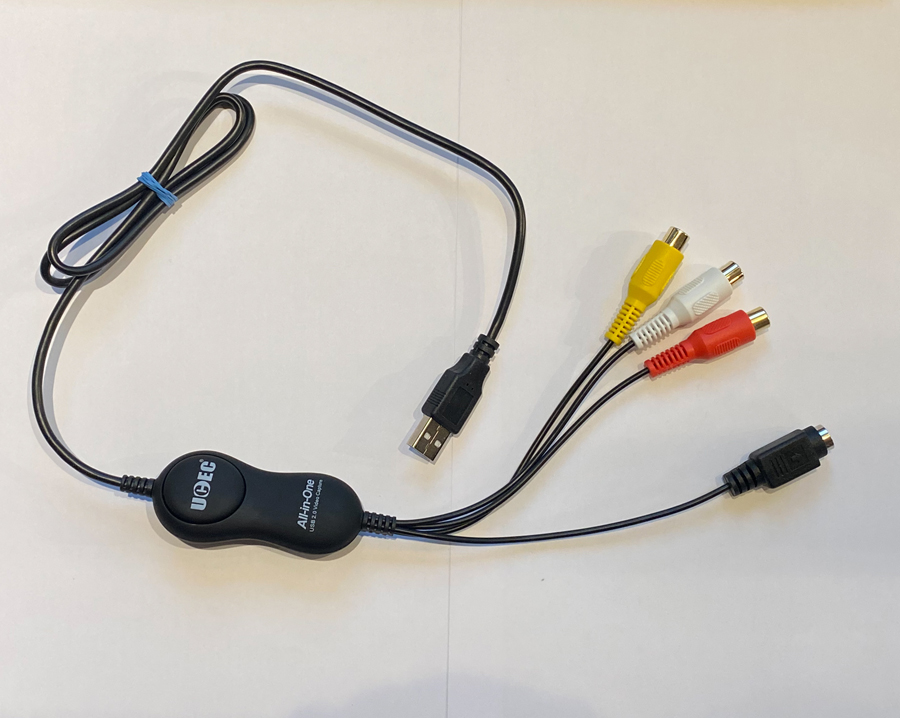
Searching the Internet I found this inexpensive (about $10) device. The three connectors (red, white and yellow) plug into the VHS player and the other end is a USB connector plugs into my computer.

If you use a Windows computer, the above Video Converter comes with software to record the video to your computer. I use an iMac so the QuickTime application is used to record the digitized video.

Using QuickTime I watched the conversion of the first cassette on my computer screen. I was satisfied with the high quality of the resulting video and accompanying sound. However I immediately realized that this project was going to take a long time. Since many of my VHS cassettes were “full”, a two-hour recording takes two hours to digitize. Thankfully I could perform other tasks on my iMac while QuickTime was running in the background. To conserve time, I resigned myself to convert only one or two cassettes at one sitting.

By the fourth or fifth cassette I realized that I had a problem. Some of my cassettes were recorded at a “slower” speed (to save money by conserving recording capacity). As these cassettes were played, the movie would run at double speed with the sound garbled. The above video player that I purchased did not have a way to replay at this slower speed.


I tried to fix this by replaying the resulting digitized file at a slower speed but the video and sound were poor.

So I went searching for a second VHS player that was capable of playback at the slower recording speed and found this model for a reasonable cost.


After three weeks of converting boxes of old VHS cassettes I now have a large library of old family movies that I’m able to share with others digitally.


Sample movie converted from VHS cassette to digital mp4 file from 1990


All of the effort turned out to be a lot less than I expected. I’m glad that I undertook this project and have already had lots of feedback from many of the faces in these “old” movies.


To Catch a Moose

or any other creature on video

I understand that I need to keep the gate to the backyard closed otherwise unwanted animals might stray onto our property. I especially don’t want a moose coming into the yard; it would eat all of our newly planted vegetables.

I came across an article in the newspaper a couple of weeks ago that convinced me that I could make sure that neither a moose nor any other undesirable fauna would sneak into our yard.

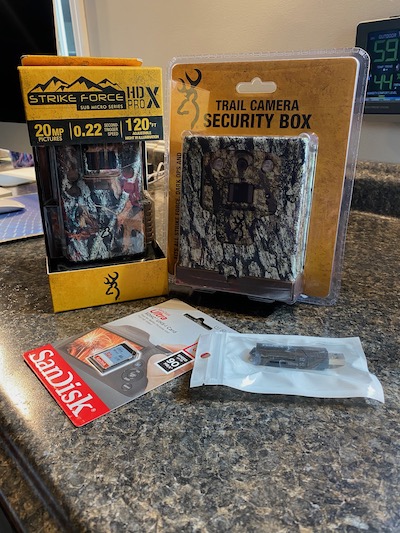
And so I followed the advice and found an inexpensive device that I hope will alert us to potential invaders.


This trail camera package includes a strong metal case that protects it from the elements and external tampering.

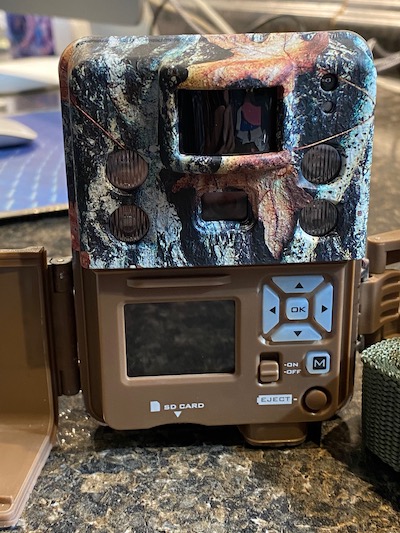
Here the motion detector, four infrared beams and the lens are on top while a color viewing screen and control buttons are on the bottom of the camera.

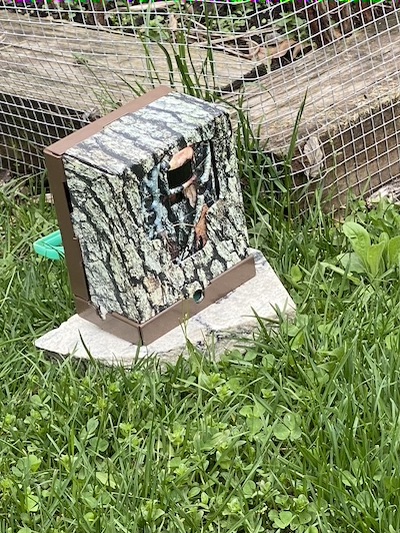
Here is the camera with the cover over the screen and control buttons. It is decorated in a camouflage pattern.

My camera was in heavy rain for several days but has not been affected by the moisture. I feel comfortable positioning it on the ground.

The camera uses a set of six AA batteries. Having used it for three weeks and recorded 150 clips, the batteries are still 70% charged. The motion detector is said to be sensitive up to 80 feet although I have not confirmed this. Additionally, the nighttime infrared illumination is adjustable to 120 feet, another item I have not confirmed.

You can choose to record either still images or video clips. When set for still it can fire off up to sequential eight images. It can also make time lapse recordings.

I chose to record 10 second video clips. Clip duration is adjustable in increments up to 60 minutes. When the unit’s motion detector is tripped, recording begins. Optionally, you can choose to record a status line on the bottom of the images that have time, date, etc.


Here’s a couple of video clips of our first encounters with nature’s offerings. BTW, night images don’t appear in color, only day light when the IR illumination isn’t being used.

Well, we didn’t catch that moose on the video, just a hungry little rabbit. But I assure you that the trail camera is ready for whatever may invade our yard.

Staying Clean

Keeping Safe during the Covid Pandemic

Many businesses that have been allowed to open during the Covid pandemic have had to follow strict guidelines to keep their employees and customers safe. This has been proven to be an especially challenging task.

For the past year we’ve all been using some combination of face masks, shields, gloves, disinfectants, bleach, gowns, paper towels and hand sanitizer among other things all with the goal of keeping the virus away from our bodies.

Like other establishments we were spending a considerable amount of time cleaning our facilities. We use spray bottles of sanitizer to clean tables, chairs and other surfaces and then wipe them dry. To save time and supplies, we purchased an electrostatic sprayer. They are different from conventional sprayers in that an electrostatic charge is applied to the disinfectant as it leaves the cone making miniscule droplets that are evenly dispersed. That the droplets are so small allows them to dry quickly.


This employee is using a large electrostatic sprayer to clean a dining table.

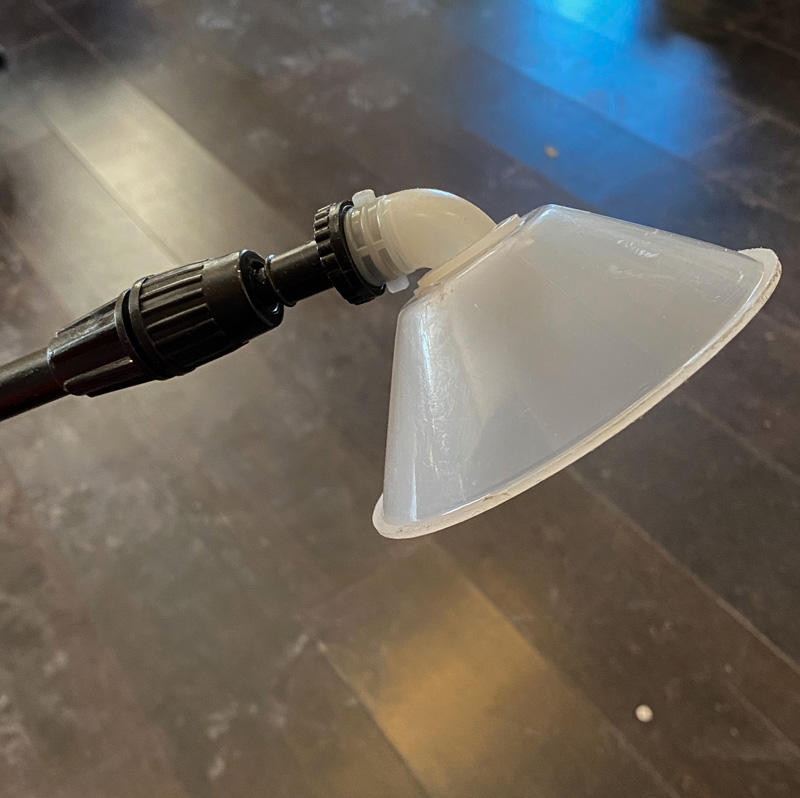
The cone on the end of the wand evenly distributes the disinfectant. The disinfectant dries in a few seconds and is safe to the touch.


In this slow motion video the employee is using the wand to apply the disinfectant.


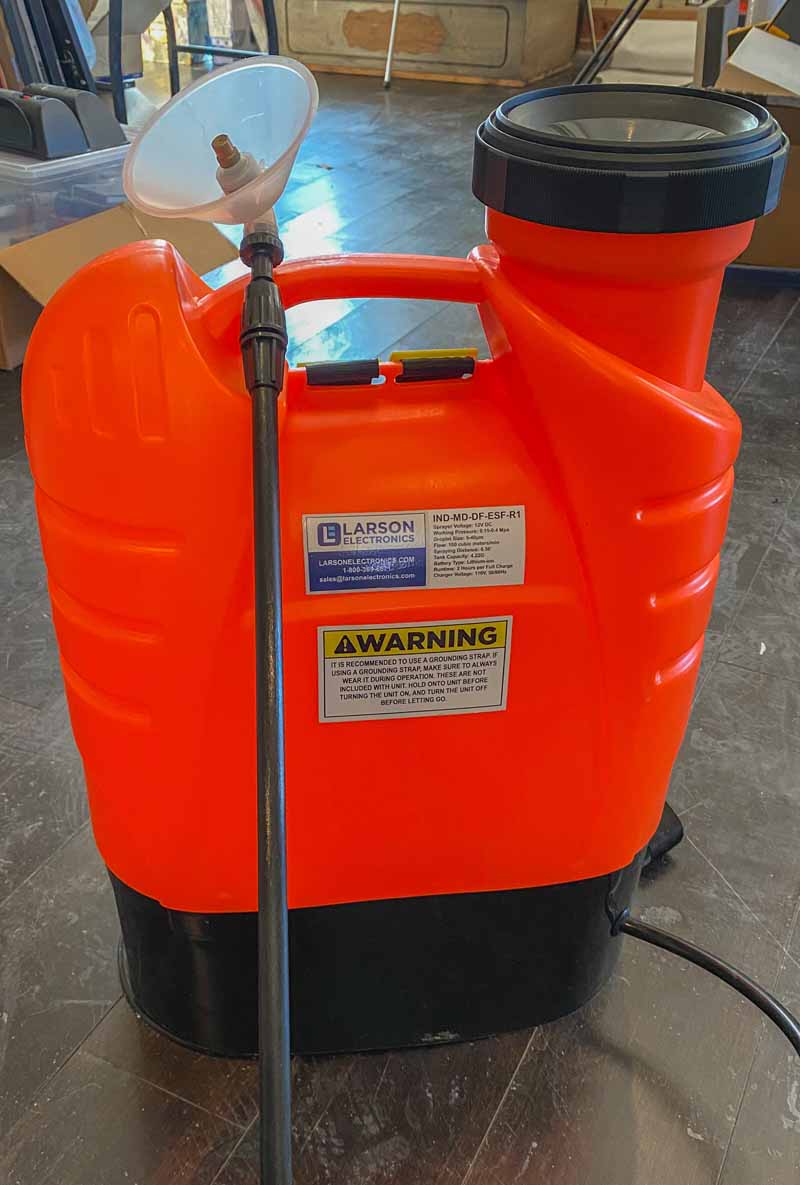
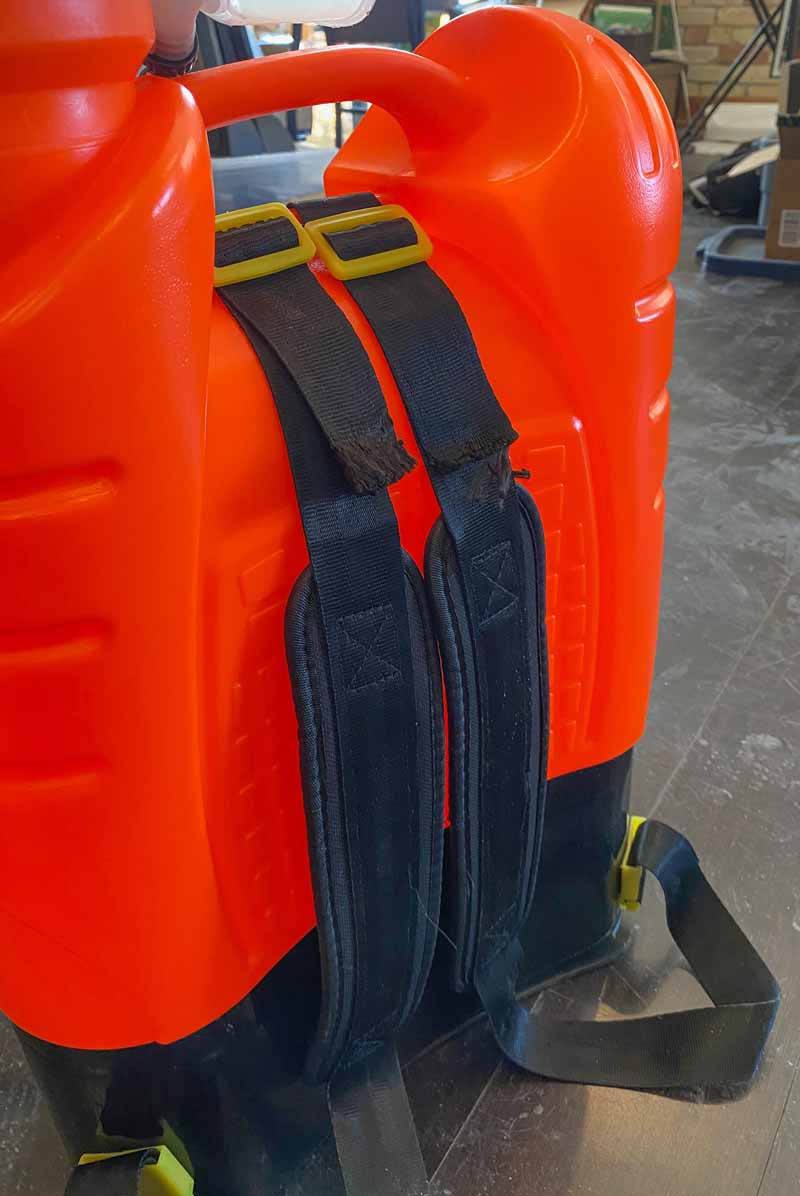
This 3 gallon capacity sprayer has a rechargeable battery and can be worn as a backpack.


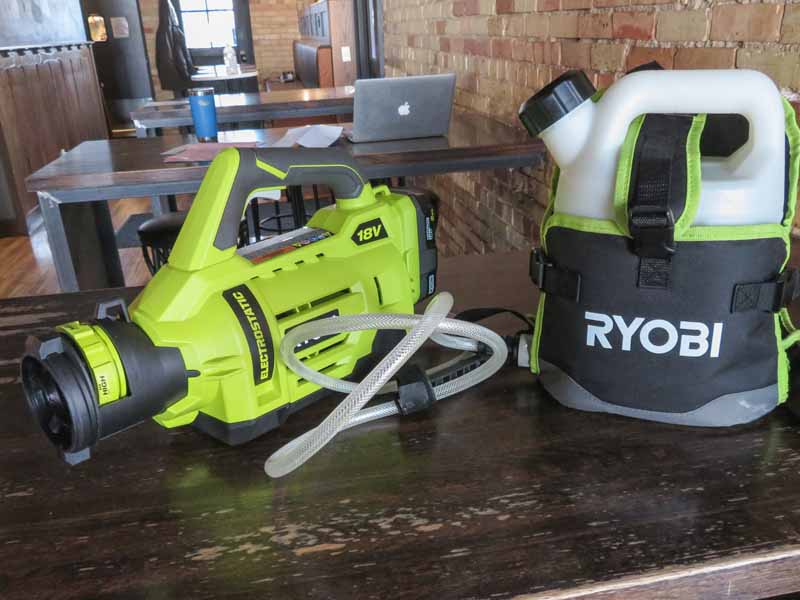
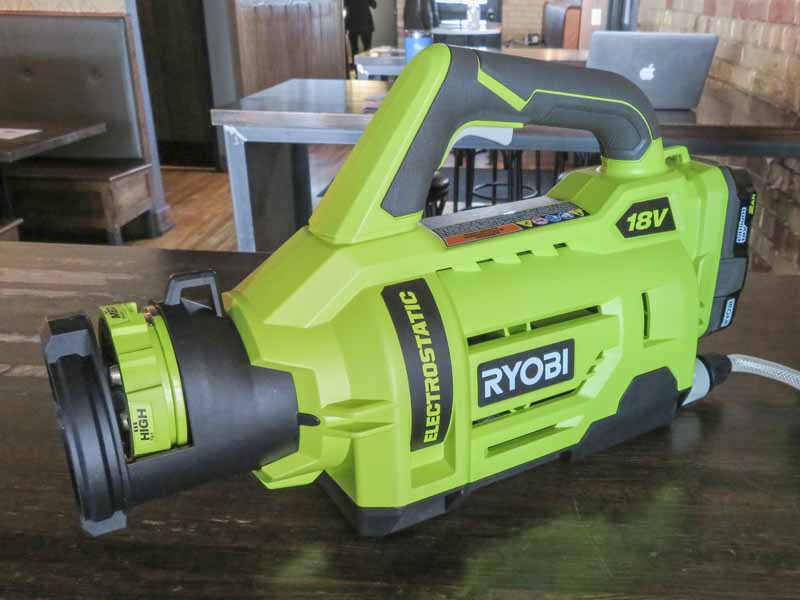
This is a smaller sprayer comes with two rechargeable batteries. The unit weighs less than the orange one above. Instead of a wand, the nozzle is used to adjust the spray pattern of the disinfectant.


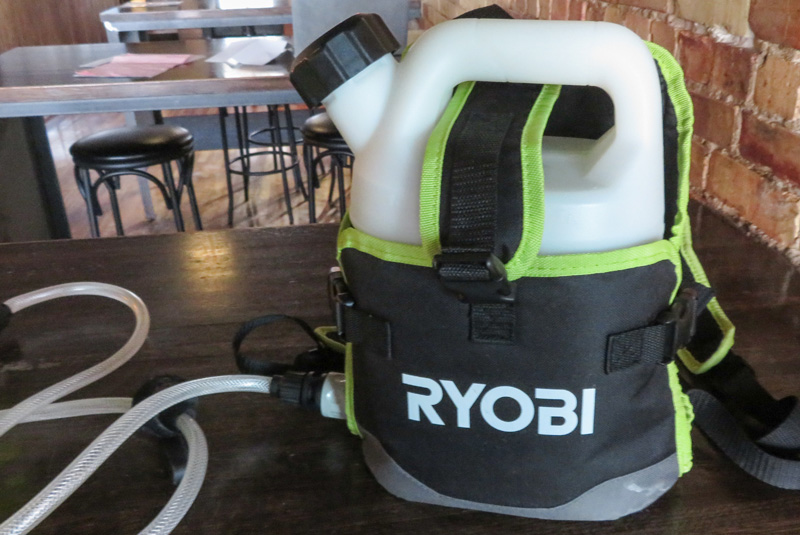
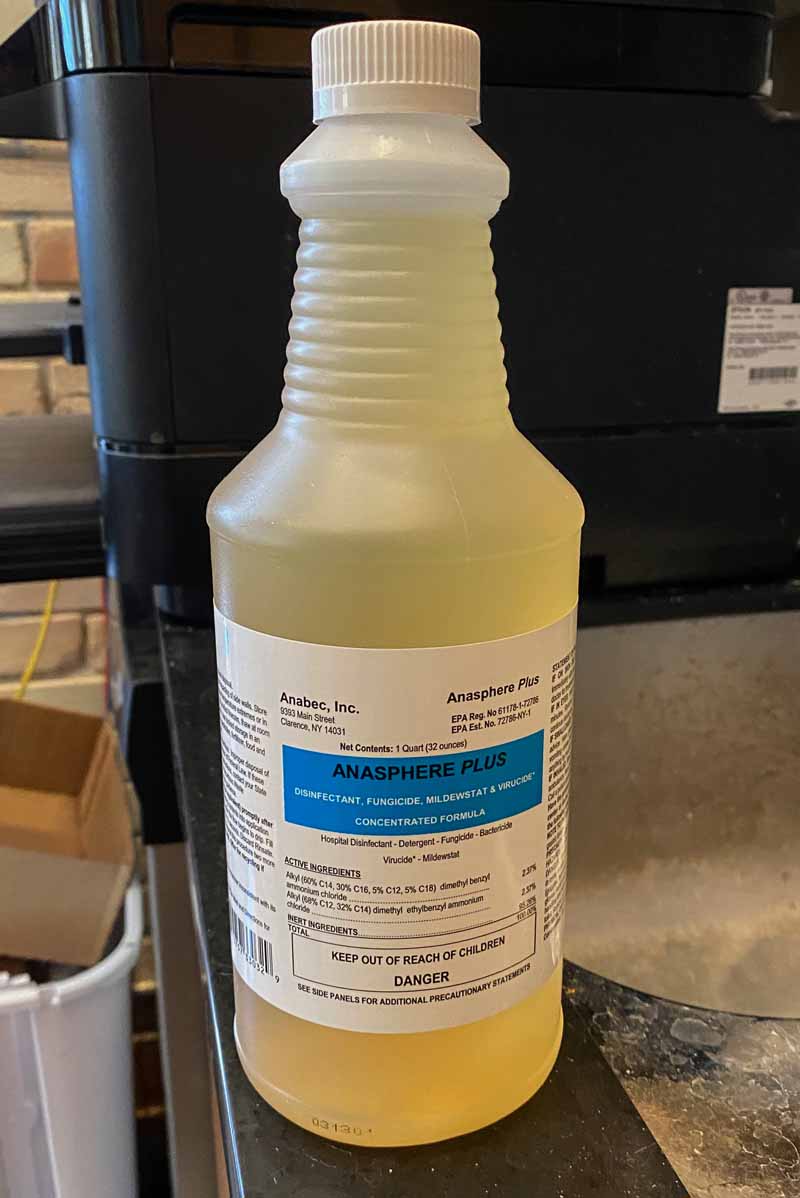
The one gallon capacity tank for this sprayer has backpack straps for easier use. Two ounces of the concentrate are mixed with water to make a gallon of sanitizer. This brand of concentrate is confirmed to kill Covid germs.

So far we’ve had good success with these sprayers. If you’re looking for a way to keep your facility clean you’ll want to consider an electrostatic sprayer.